

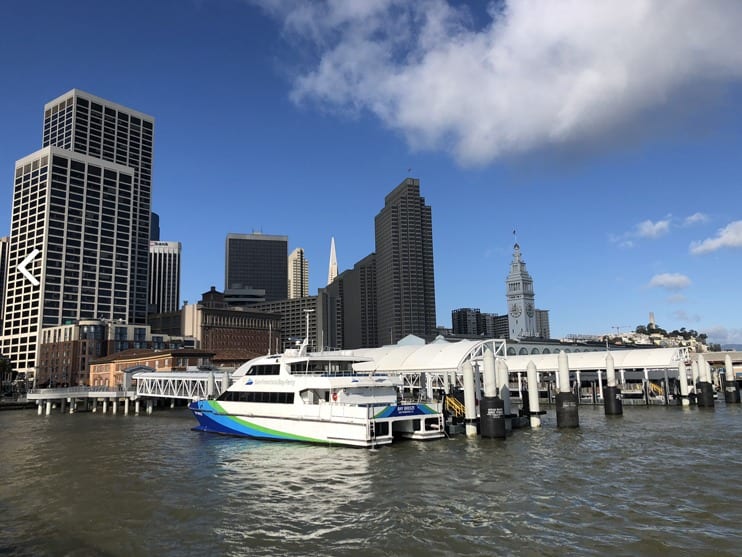
Floating Ferry Terminals for Passenger Transit
Pontoon-based ferry docking and boarding platforms engineered to stay level with the waterline at all times — providing safe, accessible passenger transit points for river crossings, island routes, and urban waterway networks.
- River & canal crossing routes
- Island & inter-island transport
- Urban waterway transit stops
- Tourist & sightseeing ferry routes
- Government-operated passenger routes
Where Floating Ferry Terminals Are Used
Floating ferry infrastructure supports passenger transit wherever fluctuating water levels make fixed jetties impractical.

River Crossings
Twin-bank terminal platforms serving daily commuter and vehicle ferry crossings.

Island Transport
Reliable boarding infrastructure connecting island communities to mainland routes.

Urban Waterway Transit
Compact city terminal stops integrated into urban water-taxi and transit networks.

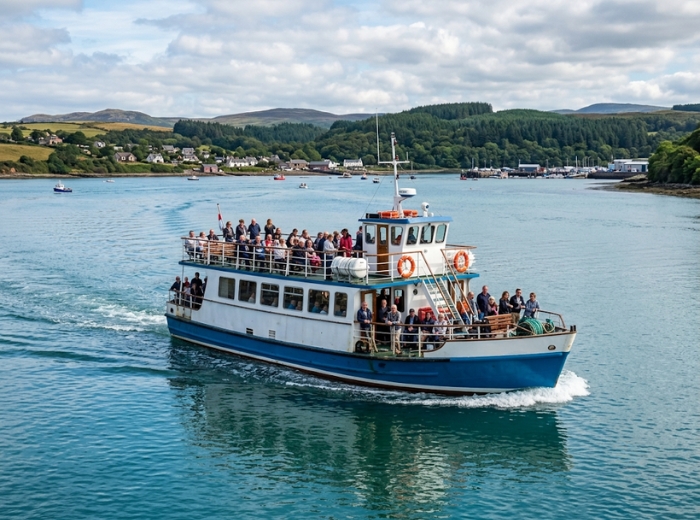
Sightseeing Ferry Routes
Passenger-friendly boarding terminals for tourism and scenic ferry operators.
Terminal Types & Structural Options
Floating ferry terminals are configured according to expected passenger volume, ferry size, and the tidal or seasonal water level range at the site.

Compact boarding platforms suited to low-frequency routes and smaller passenger ferries.

Larger pontoon terminals with multiple docking bays for high-frequency, multi-route ferry operations.

Terminals fitted with hinged, self-levelling gangways to maintain safe boarding gradients through tidal and seasonal water level changes.
Built for Passenger Safety
Every floating ferry terminal is fitted with facilities and safety systems appropriate to expected passenger footfall and route conditions.
Planning a Passenger Ferry Route?
Get a floating ferry terminal designed around your route's passenger volume, vessel size, and water level conditions.